One retinal image. A whole-body view, caught early.
A single fundus image reveals far more than vision loss. Your team captures it; our board-certified ophthalmologists read it for a long list of eye and systemic conditions — and return a clear report in 24–48 hours. Think radiology, but for eyes.
No diabetic retinopathy. Mild hypertensive changes — recommend monitoring.
Works with the fundus cameras you already use —
- RetinaVue
- Optomed
- Topcon
- Canon
- ZEISS
- Eidon
We’re the eye specialist your practice doesn’t have on staff
EyeSee doesn’t sell cameras and doesn’t see your patients. Your team captures the retinal image; our board-certified ophthalmologists read it and send back a clear report. You add specialist-grade eye care without adding an eye doctor.
In your exam room
Staff photograph the retina during a routine visit with your existing camera — no new room, no new specialist.
A physician reads it
A licensed ophthalmologist reviews the image, documents findings, and writes clinical recommendations.
Back in 24–48 hours
A structured, chart-ready report you can act on and discuss with your patient — they never leave your care.
It’s the same idea as teleradiology — local imaging, expert remote reads — applied to the back of the eye. See exactly how it works →
- 24–48 hr
- Report turnaround
- 1400+
- Images reviewed in 2026
- 12M+
- Americans 40+ with vision impairment
- 100%
- Board-certified reads
From upload to physician report
And growing every week
The gap early screening closes
Every image, a licensed ophthalmologist
Built for the front lines of care
Wherever patients are seen but an eye specialist isn’t — we extend your reach. Each program is tailored to how your team already works.

Primary Care Clinics
Close diabetic-eye and care-gap measures without sending patients out.
Explore
Rural Hospitals & FQHCs
Specialist-grade eye reads where there is no ophthalmologist for miles.
Explore
Employer Health Programs
On-site retinal screening that drives early detection and lowers cost.
Explore
Eye Care Providers
Overflow reads, subspecialty backup, and coverage when you need it.
ExploreFrom patient photo to physician report — in four steps
A RetinaVue-compatible workflow that drops into your day without disruption.
- 1
Capture
Patient photo
Your staff captures the retinal image during a routine visit using your existing fundus camera — RetinaVue, Optomed, Topcon, and most platforms supported.
- 2
Upload
Securely send
One click sends the image to EyeSee through your camera portal or our secure, HIPAA-aligned upload — no new software or workflow disruption.
- 3
Ophthalmologist Review
Expert interpretation
A board-certified ophthalmologist reviews the image, documents findings, and writes clinical impressions and recommendations.
- 4
Report Returned
24–48 hours
You receive a clear, structured report — ready for the chart and the conversation with your patient — typically within 24–48 hours.
The conditions a single image can surface
The retina is the only place a clinician can see blood vessels and the optic nerve directly — so one photo supports early detection across a long list of vision- and life-threatening conditions.
Diabetic Retinopathy
Damage to retinal blood vessels from diabetes — a leading cause of preventable blindness.
Glaucoma
Optic-nerve damage that progresses silently; imaging supports earlier detection and surveillance.
Macular Degeneration
Age-related central-vision loss where early monitoring changes outcomes.
Hypertensive Retinopathy
Retinal vessel changes caused by high blood pressure.
Retinal Disease
Tears, detachments, and vascular conditions that threaten vision.
Suspicious Ocular Lesions
Concerning spots identified early, including melanoma.

Patients on Plaquenil need ongoing retinal monitoring
Hydroxychloroquine (Plaquenil) — used for rheumatoid arthritis, lupus, and other autoimmune disorders — can cause retinal toxicity before symptoms ever appear. Guidelines call for baseline and regular screening. EyeSee makes that simple to do in-house.
Specialist-grade reads, without the specialist overhead
Board-certified reads
Every image is interpreted by a licensed ophthalmologist — never an algorithm alone.
24–48 hour reports
Structured findings and recommendations, back before your patient’s next visit.
Works with your camera
Device-agnostic. We read images from the equipment you already own.
Secure & HIPAA-aligned
Images and reports move through an access-controlled, security-first workflow.
Billing & reimbursement support
Hands-on help with global billing and payer-specific models.
The patient stays yours
No referrals out the door. You keep the relationship and close the care gap.
Trusted at the point of care
Their ocular interpretations make it easy for us to identify and manage patients at risk for diabetic retinopathy right from the primary care setting. Turnaround is quick, the reports are clear, and the clinical accuracy has been outstanding.
A game-changer for our value-based care model. EyeSee integrates seamlessly and ensures patients get timely retinal screenings without outside referrals — improving compliance rates and outcomes across multiple markets.
EyeSee combines technology, reliability, and clinical precision in a way that’s rare. They’ve helped us expand access to diagnostic eye screenings across our network while maintaining the highest standards of quality.
Insights for early-detection practices
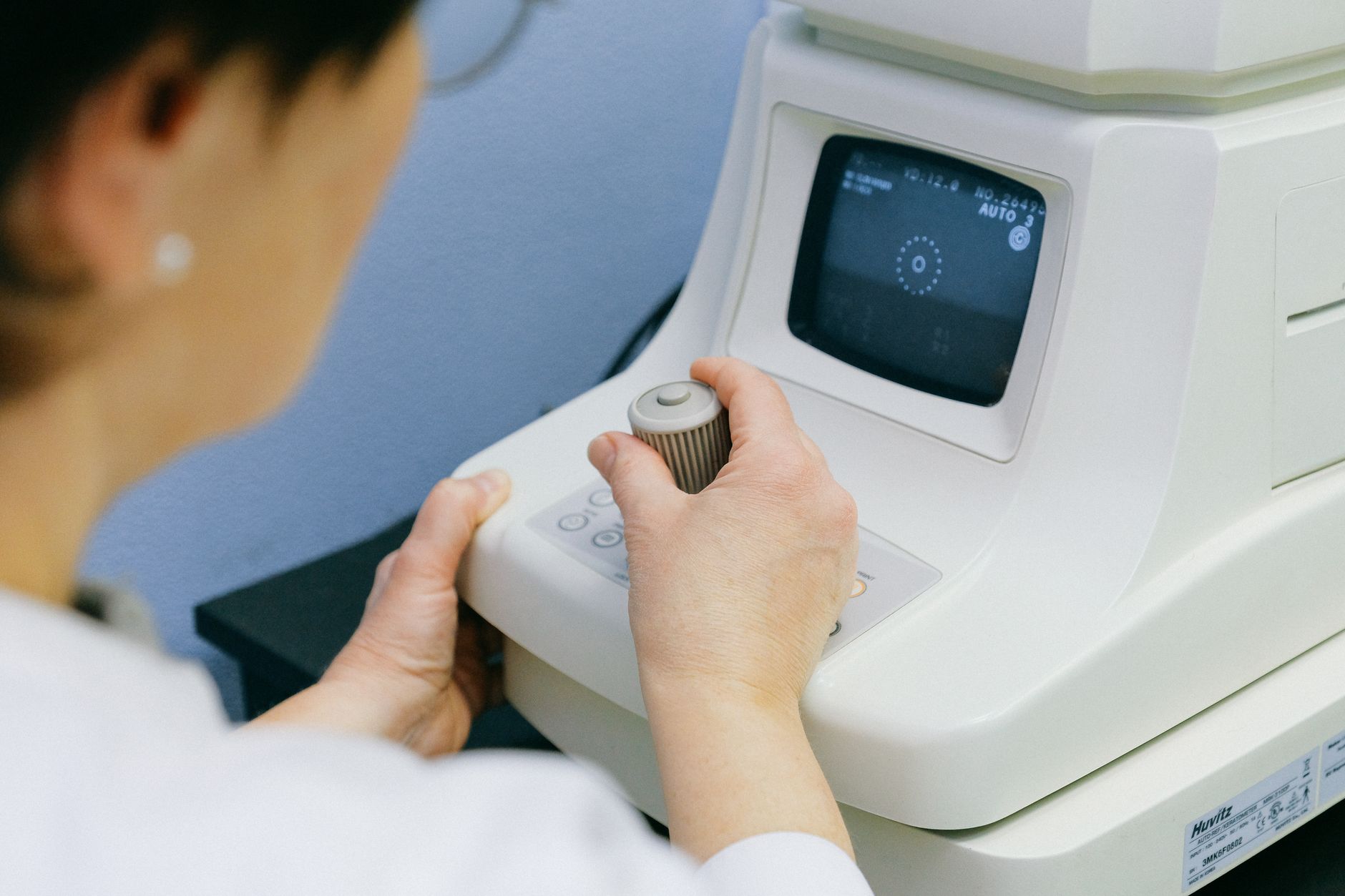
What a great retinal screening workflow looks like
A practical, device-agnostic guide to building a retinal screening workflow: image capture, staff training, secure upload, the specialist read, and getting reports into the chart.
Read article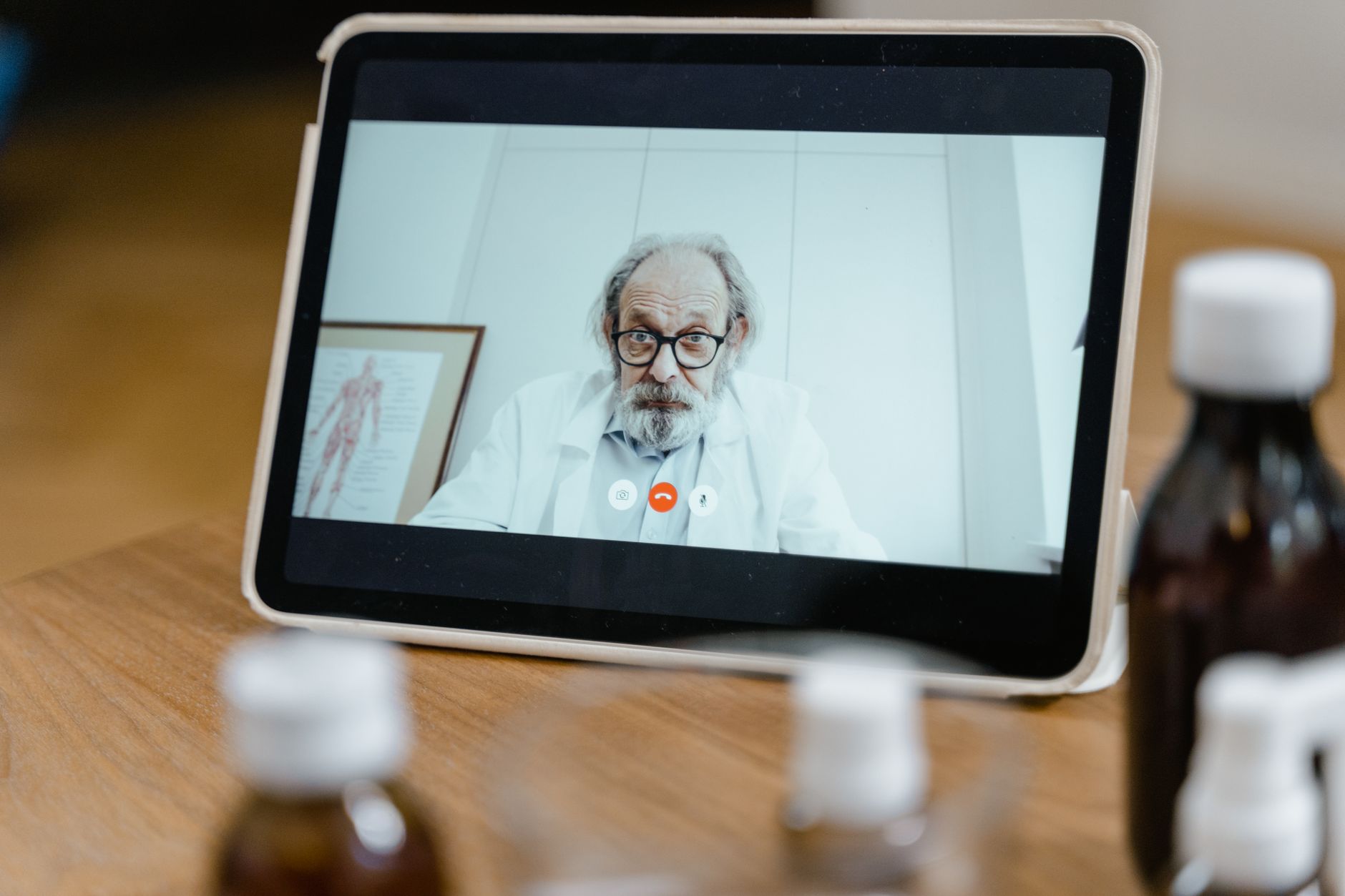
Teleophthalmology, explained: it's radiology — but for eyes
How remote retinal image interpretation lets any practice add specialist-grade eye care without hiring an ophthalmologist or buying a new exam room.
Read article Bringing eye care to rural communities with teleophthalmology
Few ophthalmologists and long drives leave rural patients undiagnosed. See how capture-locally, read-remotely teleophthalmology closes the rural eye care gap.
Read articleFrequently asked questions
What is EyeSee Services?
Do you sell cameras or perform the eye exam?
Which cameras and imaging systems do you work with?
How fast do we get the report back?
What conditions can retinal imaging help detect?
Ready to be your patients’ eye specialist?
Add specialist-grade retinal interpretation to your practice in days — no new eye doctor, no patient referrals out the door.