From patient photo to physician report — in four steps.
It’s radiology, but for eyes. Your team captures the retinal image during a routine visit; a board-certified ophthalmologist reads it remotely and sends back a clear report in 24–48 hours. The patient never leaves your care.
- Works with your camera
- Secure, HIPAA-aligned upload
- 100% board-certified reads
A reading service that drops into your day — not on top of it
EyeSee doesn’t sell cameras and doesn’t see your patients. You already do the visit; we add the specialist read. Four simple steps, no new room, no new eye doctor on staff.
- 1
Capture
Patient photo
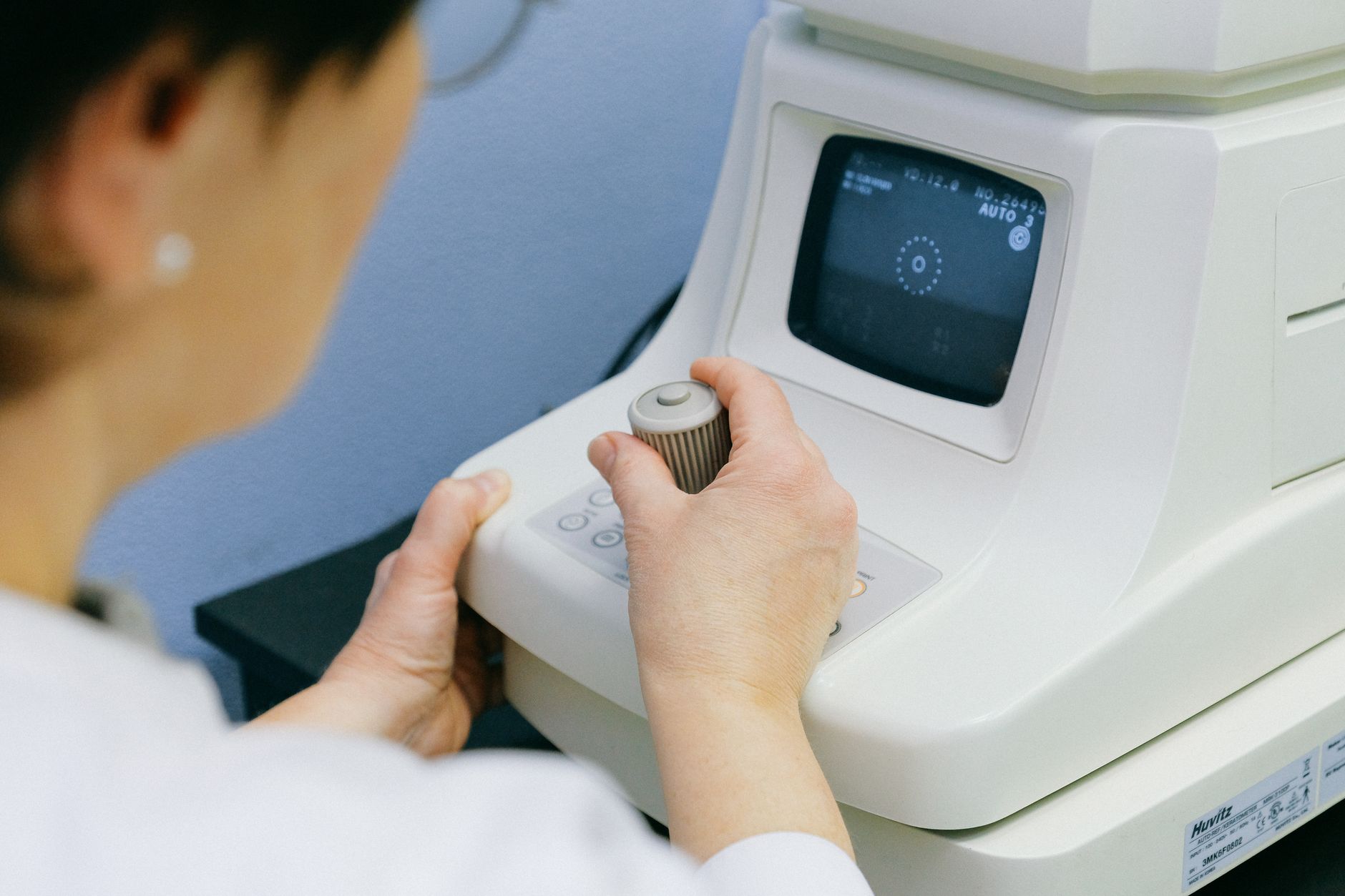
Your staff captures the retinal image during a routine visit using your existing fundus camera — RetinaVue, Optomed, Topcon, and most platforms supported.
- 2
Upload
Securely send
One click sends the image to EyeSee through your camera portal or our secure, HIPAA-aligned upload — no new software or workflow disruption.
- 3
Ophthalmologist Review
Expert interpretation
A board-certified ophthalmologist reviews the image, documents findings, and writes clinical impressions and recommendations.
- 4
Report Returned
24–48 hours
You receive a clear, structured report — ready for the chart and the conversation with your patient — typically within 24–48 hours.
Same idea as teleradiology — local imaging, expert remote reads — applied to the back of the eye.
What actually happens at each step
The same four steps, in detail — from the image your staff captures to the chart-ready report your physician acts on.
Capture
In your exam room · ~5 minutesYour staff captures the retinal image during a routine visit using your existing fundus camera — RetinaVue, Optomed, Topcon, and most platforms supported.
- Your clinical staff photographs the retina during a visit the patient is already there for.
- Device-agnostic — we read from the fundus camera you already own, no new hardware to buy.
- Non-invasive and painless; most captures are done in a few minutes by an existing team member.
Upload
One click · no new softwareOne click sends the image to EyeSee through your camera portal or our secure, HIPAA-aligned upload — no new software or workflow disruption.
- Send the image through your camera company’s portal or our secure EyeSee upload.
- A HIPAA-aligned, access-controlled workflow — images and PHI stay protected end to end.
- No workflow disruption: the image leaves your office the same way your other diagnostics do.
Ophthalmologist Review
A licensed physician · never an algorithm aloneA board-certified ophthalmologist reviews the image, documents findings, and writes clinical impressions and recommendations.
- A board-certified ophthalmologist reviews the image — 100% of reads, every time.
- They document diagnostic impressions and write clear clinical recommendations.
- Borderline case? Diagnostic-support lines let you talk through who to monitor, treat, or refer.
Report Returned
Back in 24–48 hours · chart-readyYou receive a clear, structured report — ready for the chart and the conversation with your patient — typically within 24–48 hours.
- A structured report lands before your patient’s next visit — typically within 24–48 hours.
- Formatted for the chart and the conversation, so you can act on findings immediately.
- The patient never leaves your care — no referral out the door, no relationship lost.
- 24–48 hr
- Report turnaround
- 1400+
- Images reviewed in 2026
- 12M+
- Americans 40+ with vision impairment
- 100%
- Board-certified reads
From upload to physician report
And growing every week
The gap early screening closes
Every image, a licensed ophthalmologist
What’s in your report
Every read returns a structured, physician-signed report you can act on immediately — and discuss with the patient before they leave.
Diagnostic impressions
A board-certified ophthalmologist’s read of the image — what is present, what is normal, and what warrants attention.
Clinical recommendations
Clear next steps: monitor, repeat imaging, treat in-house, or refer — written to support the decision you make with your patient.
Visual documentation
The interpreted retinal image alongside the findings, so the read is transparent and easy to discuss at the point of care.
Chart-ready format
A structured layout that drops straight into the patient record and supports your quality measures and coding.
- Diagnostic impression
- No diabetic retinopathy. Mild hypertensive vascular changes noted bilaterally.
- Recommendation
- Continue blood-pressure management. Repeat retinal imaging in 12 months. No referral indicated at this time.
Illustrative example. Findings and recommendations are specific to each patient and authored by a licensed ophthalmologist.
Live in days, not quarters
No rip-and-replace, no implementation marathon. We connect to the camera you already use and start reading.
- Day 1
Connect
We map your existing camera to our reading workflow and stand up secure upload — onboarding is typically complete within 24–48 hours.
- Ongoing
Capture as usual
Your team images patients during routine visits exactly as they do today. No new room, no new specialist, no change to your day.
- In 24–48 hrs
Reports flow back
Structured, physician-signed reports return through the same channel — chart-ready and timed to your follow-up.
Already compatible with the fundus cameras you own —
- RetinaVue
- Optomed
- Topcon
- Canon
- ZEISS
- & more
The questions practices ask before they start
Which cameras and imaging systems do you work with?
How fast do we get the report back?
Is the upload secure and HIPAA-aligned?
How does the report fit into our EHR and chart?
See the workflow with your own images
Book a short demo and we’ll walk through capture, secure upload, and a sample physician report — using the camera you already have.