Specialist eye reads where there's no eye doctor for miles
More than half of U.S. counties have no ophthalmologist. EyeSee lets your team capture a retinal image at the point of care and have a board-certified physician read it remotely — closing the access gap and your UDS diabetic eye exam measure without sending patients hours down the road. Think radiology, but for eyes.
In rural America, eye care is often the care that doesn't happen
When the nearest specialist is hours away, screening becomes optional — and silent, vision-threatening disease goes undetected until it's too late to treat easily.
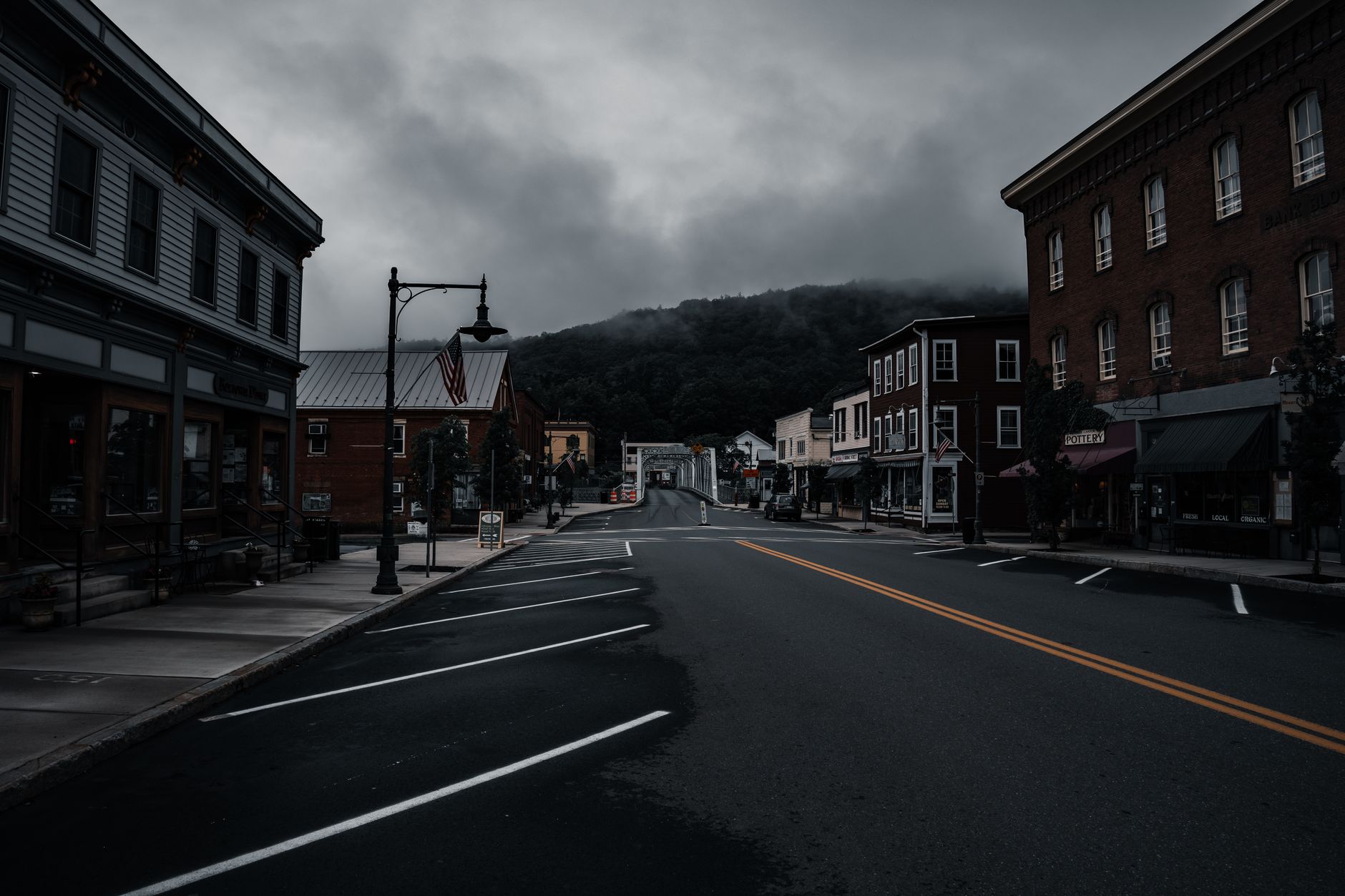
No eye doctor for miles
More than half of U.S. counties have no practicing ophthalmologist. For many rural patients, the nearest retina specialist is a multi-hour drive away.
Travel breaks the chain
A referral that requires hours of driving, time off work, and a separate appointment is a referral that often never happens — so screening simply stops.
Silent disease goes unseen
Diabetic retinopathy and glaucoma can advance for years without symptoms. By the time vision changes, the window for easy intervention has often closed.
Capture locally. Read remotely. Report fast.
The specialist comes to your patient — not the other way around. Your team captures the image during a visit they already have, and our network does the reading.
- 1
Capture
Patient photo
Your staff captures the retinal image during a routine visit using your existing fundus camera — RetinaVue, Optomed, Topcon, and most platforms supported.
- 2
Upload
Securely send
One click sends the image to EyeSee through your camera portal or our secure, HIPAA-aligned upload — no new software or workflow disruption.
- 3
Ophthalmologist Review
Expert interpretation
A board-certified ophthalmologist reviews the image, documents findings, and writes clinical impressions and recommendations.
- 4
Report Returned
24–48 hours
You receive a clear, structured report — ready for the chart and the conversation with your patient — typically within 24–48 hours.
It's the same idea as teleradiology — local imaging, expert remote reads — brought to the back of the eye, for communities that have never had an eye specialist down the street.
Designed for the way safety-net facilities actually operate
Federally Qualified Health Centers and critical-access hospitals run on tight budgets, lean staffing, and hard quality measures. EyeSee was built to fit all three.
Move your UDS diabetic eye exam measure
Capture a retinal image during the visit your diabetic patients already attend. A board-certified read closes the loop and documents the screening for HRSA/UDS reporting — no outside referral required.
Grant- and program-friendly
A predictable per-read model with no capital purchase makes EyeSee straightforward to budget into HRSA grants, 340B savings, and population-health initiatives.
No new specialist to hire
Recruiting an ophthalmologist to a rural community is hard and expensive. Our multi-state physician network gives you specialist-grade reads without adding to the payroll.
Low overhead, your camera
Device-agnostic and built to run on the fundus camera you already own — RetinaVue, Optomed, Topcon, Canon, ZEISS. No new room, minimal staff training.
The patient stays in the community
Care happens at your health center, not three counties away. You keep the relationship, the visit, and the trust your community has placed in you.
Secure & HIPAA-aligned
Images and reports move through an access-controlled, security-first workflow designed for the realities of clinical environments and limited rural IT support.
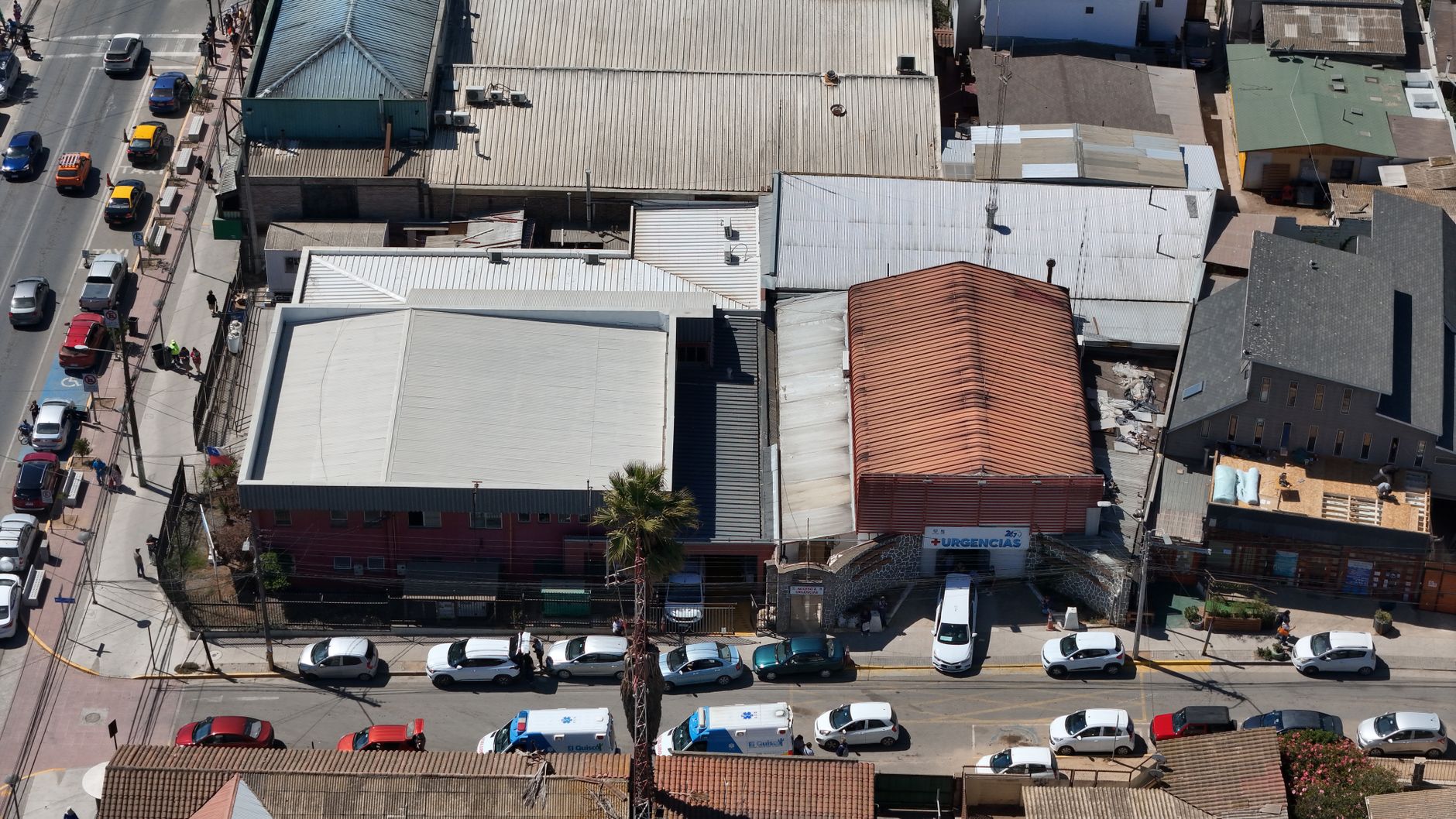
Close the diabetic eye exam gap at the visit you already have
Your diabetic patients are in the building for their A1c and foot check. Add a quick retinal photo, send it to EyeSee, and a board-certified read documents the screening for your UDS reporting — no outside referral, no lost-to-follow-up, no second trip down a long county road.
One image. The screening your community has been missing.
The retina is the only place a clinician can see blood vessels and the optic nerve directly. For rural patients who rarely reach a specialist, a single image catches disease while it's still treatable.
Diabetic Retinopathy
Damage to retinal blood vessels from diabetes — a leading cause of preventable blindness.
Glaucoma
Optic-nerve damage that progresses silently; imaging supports earlier detection and surveillance.
Macular Degeneration
Age-related central-vision loss where early monitoring changes outcomes.
Hypertensive Retinopathy
Retinal vessel changes caused by high blood pressure.
Retinal Disease
Tears, detachments, and vascular conditions that threaten vision.
Suspicious Ocular Lesions
Concerning spots identified early, including melanoma.
- 24–48 hr
- Report turnaround
- 100%
- Board-certified reads
- 0
- New specialists to hire
- 12M+
- Americans 40+ with vision loss
From upload to physician report — no second trip
Every image, a licensed ophthalmologist
Reads come from our multi-state network
The access gap early screening closes
Trusted to expand access across networks
Their ocular interpretations make it easy for us to identify and manage patients at risk for diabetic retinopathy right from the primary care setting. Turnaround is quick, the reports are clear, and the clinical accuracy has been outstanding.
A game-changer for our value-based care model. EyeSee integrates seamlessly and ensures patients get timely retinal screenings without outside referrals — improving compliance rates and outcomes across multiple markets.
EyeSee combines technology, reliability, and clinical precision in a way that’s rare. They’ve helped us expand access to diagnostic eye screenings across our network while maintaining the highest standards of quality.
Rural & FQHC questions, answered
The questions we hear most from critical-access hospitals, community health centers, and the teams who run them.
We have no ophthalmologist in our county. How does EyeSee help?
Does an EyeSee read count toward our UDS diabetic eye exam measure?
Do we need to buy a special camera?
Is this affordable for a critical-access hospital or FQHC?
Our internet and IT support are limited. Will the workflow still work?
What conditions can the read detect for our patients?
Extend specialist eye care where there isn't any
See how rural hospitals and FQHCs use EyeSee to close the access gap, move their UDS diabetic eye exam measure, and keep patients in the community they trust.