Teleophthalmology, explained: it's radiology — but for eyes
How remote retinal image interpretation lets any practice add specialist-grade eye care without hiring an ophthalmologist or buying a new exam room.
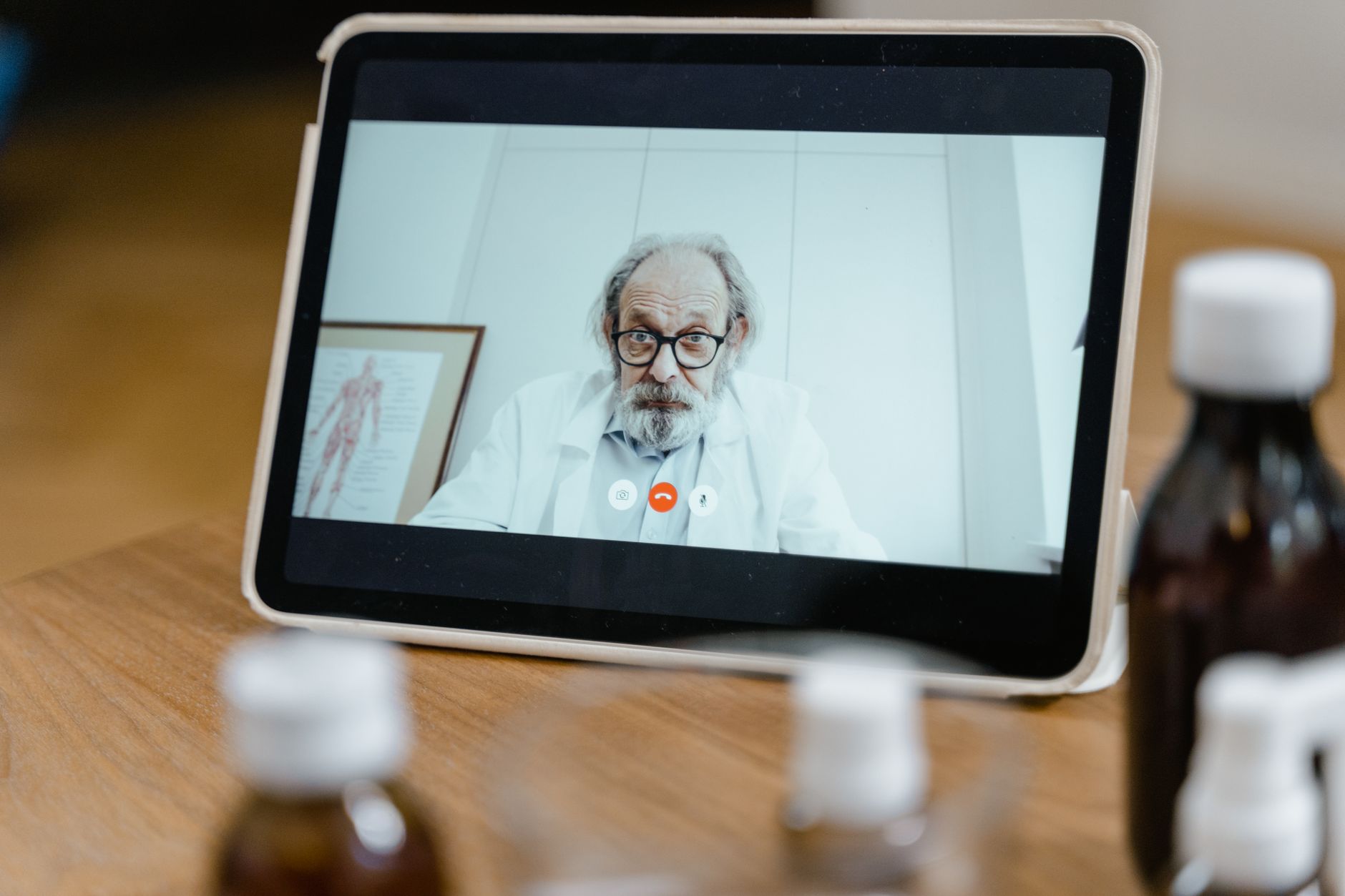
For decades, primary care and rural clinics have relied on a quiet workhorse of modern medicine: teleradiology. A technician captures an X-ray or CT locally, the images travel to a board-certified radiologist somewhere else, and a report comes back — often within hours. The patient never leaves, and the practice gets a specialist read.
EyeSee Services brings that exact model to the back of the eye.
What teleophthalmology actually is
Teleophthalmology is the remote interpretation of eye images — most commonly retinal (fundus) photographs — by an eye specialist who isn’t physically in the room. Your staff captures the image during a routine visit; a board-certified ophthalmologist reviews it and returns a structured report.
The clinical value is enormous because the retina is the only place in the body where a clinician can directly see blood vessels and the optic nerve. A single photograph can surface signs of:
- Diabetic retinopathy — the leading cause of preventable blindness in working-age adults
- Glaucoma — progressive optic-nerve damage that’s often symptomless until late
- Hypertensive retinopathy — vascular changes driven by blood pressure
- Macular degeneration and other retinal disease
- Hydroxychloroquine (Plaquenil) toxicity — which can appear before symptoms do
Why “radiology for eyes” is the right mental model
The analogy isn’t marketing — it’s the operating model:
- Imaging happens locally. You already have, or can easily add, a fundus camera.
- Interpretation happens remotely. A specialist reads the image, not an algorithm alone.
- A report comes back fast. EyeSee returns most reports in 24–48 hours.
What EyeSee deliberately does not do is just as important. We don’t sell you a camera, and we don’t take over the patient. The exam stays in your clinic, the relationship stays with you, and you close the care gap instead of sending it across town.
Think of EyeSee as the eye specialist your practice doesn’t have on staff — available on demand, for the cost of a read.
Who benefits most
Any setting where patients are seen but an eye specialist isn’t:
- Primary care clinics closing diabetic-eye and quality measures in-house
- Rural hospitals and FQHCs without a local ophthalmologist for miles
- Employer and on-site health programs adding low-friction screening
- Optometry and ophthalmology practices needing overflow or subspecialty reads
The bottom line
Early detection changes outcomes. Teleophthalmology makes early detection operationally realistic for practices that could never justify a full-time eye specialist. One image today can mean a lifetime of sight tomorrow — and the workflow to deliver it already exists.
Curious how it fits your clinic? See how it works or schedule a demo.
Keep reading
What a great retinal screening workflow looks like
A practical, device-agnostic guide to building a retinal screening workflow: image capture, staff training, secure upload, the specialist read, and getting reports into the chart.
Read Patient CareBringing eye care to rural communities with teleophthalmology
Few ophthalmologists and long drives leave rural patients undiagnosed. See how capture-locally, read-remotely teleophthalmology closes the rural eye care gap.
Read